
Exploring Dark Web Credit Card Sites
Dark web credit card sites offer stolen financial information, often costing between $5 and $200 per card. Understanding these sites helps mitigate risks.
- Written:
- Updated: October 25, 2026
- Editor: Cassandra Delacroix
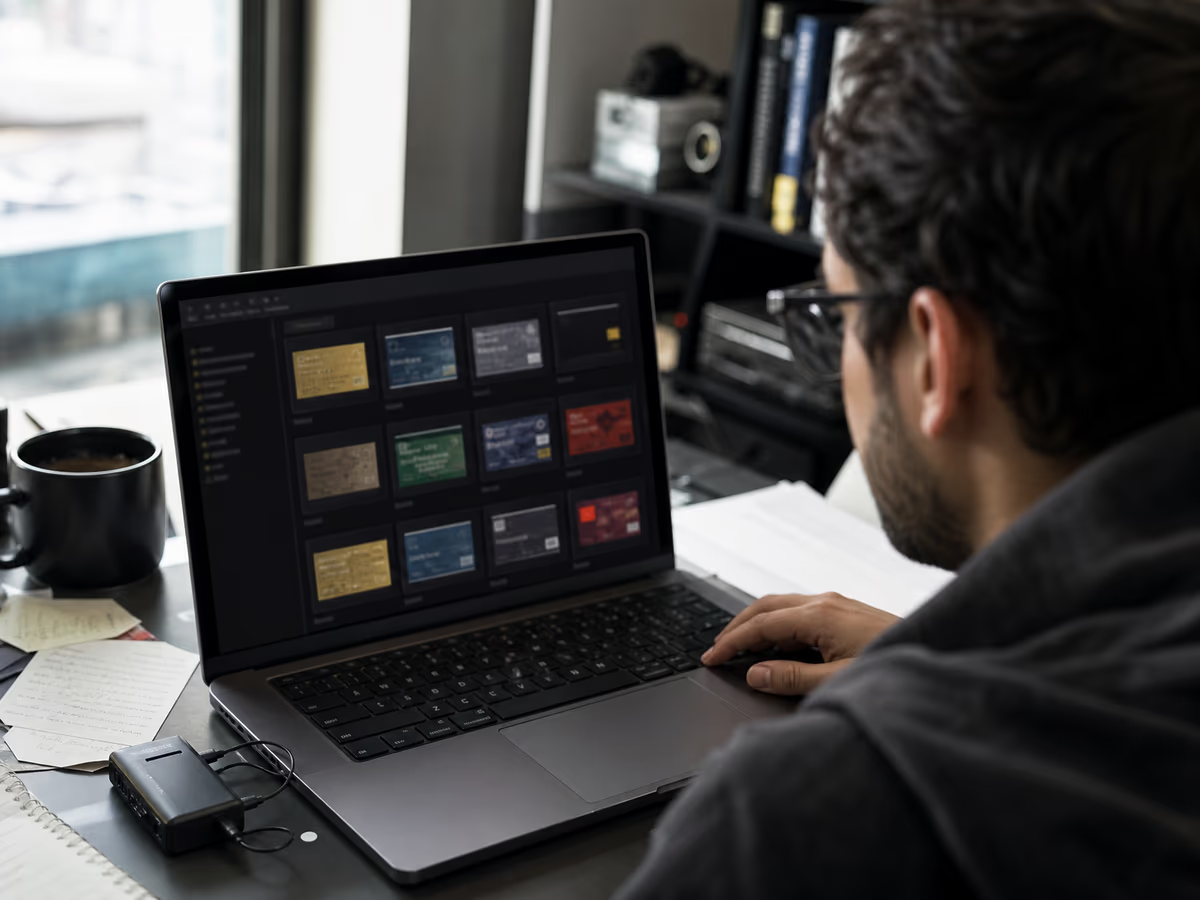
Examining the intricacies of dark web credit card marketplaces.
Most readers should begin with ‘What Dark Web Credit Card Sites Actually Are’ and ‘How Stolen Card Data Is Organized and Priced’: they give the factual baseline on CVV, dumps, and fullz[1] and price ranges like $3–$150 per card[2]. Fraud and risk analysts should prioritize ‘Common Card Shop Features’ and ‘How These Sites Operate’ to map checker tools, balances, refunds, and OPSEC[2]. If you only need terminology, skip to the cheat sheet.
Comparative Overview of Dark Web Credit Card Sites
| Description | Pricing | Common Features | Notable Sites | Data Types |
|---|---|---|---|---|
| Dark web credit card sites sell stolen card information, often categorized into CVV, dumps, and fullz. | Prices range from $3 to $150 for individual cards; fullz can cost between $10 and $30. | Common features include checkers to validate cards, balance checks, and refund policies. | Notable sites include BriansClub, Findsome, and UltimateShop, with significant user bases and transaction volumes. | Data types include CVV (card number and security code), dumps (raw magnetic stripe data), and fullz (complete personal profiles). |
| Stolen card data is organized into sections for easy navigation, often with bulk options for dumps. | Average prices for stolen cards are around $11.51 for U.S. cards and $22.80 for Japanese cards. | Checkers are tools to verify if a card is still active; refunds may be offered for invalid cards. | BriansClub was hacked in 2019, exposing over 26 million records; other sites have also faced law enforcement actions. | Fullz includes personal details like name, address, and SSN, making it valuable for identity theft. |
What Dark Web Credit Card Sites Actually Are
Dark web credit card sites are specialized platforms where stolen payment card information is bought and sold. These sites can be categorized into card shops, carding markets, and credit card-focused sections of larger darknet markets. A 'credit card site' specifically focuses on the sale of stolen card data, while a general darknet market may offer a wider variety of illicit goods and services.
The information sold typically falls into three main categories: CVV (card numbers and security codes), dumps (raw magnetic stripe data), and 'fullz' (complete profiles of cardholders). Dumps are essential for cloning physical cards, as they contain raw data from the card's magnetic stripe[1]. Fullz, a term derived from 'full information,' includes the cardholder's name, address, and identification details, making it suitable for identity theft and financial fraud[1][3]. CVV2 refers to the three- or four-digit security code required for online transactions, which is not stored on the magnetic stripe[4].
Prices for stolen card information vary significantly. For instance, individual stolen card records generally range from $3 to $150, depending on the quality and type of data[2]. Fullz can be priced between $10 and $30[1]. Notable marketplaces like BriansClub and Findsome have been active in this trade, with BriansClub reportedly holding over 26 million records valued at approximately $414 million[5][6]. Understanding these categories and pricing structures is crucial for anyone researching the dark web's credit card ecosystem.
How Stolen Card Data Is Organized and Priced
Stolen card data is meticulously organized within dark web marketplaces to facilitate easy access and transaction for buyers. Listings often include critical details such as card type, Bank Identification Number (BIN), country of origin, issuing bank, card level, and validity rate. These factors play a significant role in determining the price of the data.
The three primary types of stolen card information are CVV (card number and security code), dumps (raw magnetic stripe data), and 'fullz' (complete profiles of cardholders)[1]. Prices vary widely based on the type of data and its quality. For example, stolen card records typically range from $3 to $150, depending on factors like the inclusion of personal identification data and the validity of the card[2]. Fullz, which provide comprehensive personal information, are generally priced between $10 and $30[1].
In terms of specific pricing, a stolen payment card from the United States averages around $11.51, while Japanese cards can cost as much as $22.80[7]. Notably, marketplaces like BriansClub and Findsome have reported prices for CVV and fullz listings between $4 and $25[1]. Fresh data, especially that which has not been previously sold or flagged, tends to command higher prices due to its perceived value in avoiding detection.
The distinction between non-VBV (Verified by Visa) and VBV cards is also relevant; non-VBV cards are generally cheaper as they carry higher risk for fraudsters[8]. Additionally, refund checkers are tools offered by some sites to verify the validity of the cards before purchase, which can affect pricing and buyer confidence. Understanding these elements is essential for anyone navigating the dark web's credit card ecosystem.
Common Card Shop Features: Checkers, Balances, and Refunds
Card shops on the dark web often incorporate built-in tools to enhance buyer confidence and mitigate risks. These features include card checkers, balance lookups, and refund policies. Each of these tools plays a crucial role in ensuring that buyers can make informed decisions.
Card checkers are vital for validating whether a card is still active and usable. They allow users to input card details to see if the card works before making a purchase. This feature is particularly valuable given that many stolen cards may have already been reported or deactivated. Some sites even offer refund policies for invalid cards, providing an extra layer of reassurance for buyers. If a card turns out to be dead shortly after purchase, buyers might receive a replacement card within a set timeframe, further reducing their risk[2].
Balance lookup tools enable users to check the available balance on a card, which is essential for determining its potential utility. Knowing the balance helps buyers assess whether a card is worth purchasing, especially since the value of stolen cards can vary widely. For instance, stolen cards typically range from $3 to $150 based on their quality and data type[2].
While these features enhance trust in the marketplace, they also highlight the need for caution. Buyers should remain aware that even with these tools, the risk of fraud remains high. Understanding how these built-in features operate can significantly impact your experience in the dark web credit card market.
Well-Known Dark Web Credit Card Sites Referenced in Threat Reports
Several dark web credit card sites have been frequently mentioned in public cybersecurity reports due to their scale and the nature of their operations. Understanding these sites can help you recognize potential threats and the landscape of stolen card data trading.
BidenCash is known for its extensive collection of stolen credit card information, often listed at competitive prices. Reports indicate that it serves as a hub for various types of stolen data, including CVV and fullz, which makes it a significant player in the dark web carding ecosystem.
Brian's Club has been active since 2014 and gained notoriety after a major hack in 2019 exposed over 26 million credit and debit card records. The site reportedly held around $414 million worth of stolen data at its peak and has sold approximately 9.1 million stolen cards, making it one of the largest carding marketplaces[5][6].
Russian Market, another prominent site, has been associated with a wide range of illicit goods, including stolen credit card data. It has been monitored for significant law enforcement actions, which highlight the ongoing battle against cybercrime in this area.
Real and Rare is noted for specializing in high-quality fullz, often priced higher due to the comprehensive personal details offered. This site caters to buyers looking for complete profiles, which are particularly valuable for identity theft.
B1ack's Stash, involved in the sale of stolen card data, was targeted in a law enforcement operation that led to the seizure of multiple domains associated with vendors selling over one million cards. This underscores the increasing scrutiny and action taken against dark web marketplaces[9].
Each of these sites illustrates the complexities of the dark web credit card market, where the sale of stolen information poses significant risks to individuals and businesses alike.
How These Sites Operate: Access, Payments, and OPSEC
Dark web credit card sites typically operate through specific access methods, primarily using the Tor network and .onion addresses. Accessing these sites requires the Tor browser, which anonymizes user activity by routing connections through multiple servers. Some sites may feature open registration, allowing anyone to join, while others operate on an invite-only basis, creating an exclusive environment that may increase perceived trust among users.
Payment methods on these platforms predominantly include cryptocurrencies, with Bitcoin and Monero being the most common. Bitcoin is widely accepted due to its popularity, but Monero is often preferred for its enhanced privacy features. Transactions made with Monero are difficult to trace, making it a more secure option for both buyers and sellers[1]. Prices for stolen card data can vary significantly; for example, CVV records typically range from $3 to $150, while fullz can cost between $10 and $30[2].
Vendor operational security (OPSEC) practices are crucial for maintaining anonymity and trust in these marketplaces. Many vendors utilize PGP (Pretty Good Privacy) for secure communication, ensuring that messages are encrypted and only readable by intended recipients. Escrow services are also common, acting as intermediaries that hold payments until both parties fulfill their obligations, thus reducing the risk of scams. Reputation systems help buyers assess the reliability of vendors, often based on previous transactions and user feedback[1][2].
Understanding these operational aspects is essential for anyone exploring dark web credit card sites. The combination of access methods, payment preferences, and vendor OPSEC strategies creates a complex ecosystem that requires careful navigation.
Myths vs. Verified Facts About Dark Web Card Shops
Many misconceptions surround dark web credit card sites, leading to dangerous assumptions. One prevalent myth is that 'all cards work.' In reality, a significant portion of cards sold online are inactive or 'dead.' Reports indicate that only a fraction of purchased cards may be valid at the time of transaction, with many vendors offering refund policies for dead cards to mitigate buyer dissatisfaction[2].
Another common claim is that the dark web is filled with free credit cards. While there have been instances, such as the B1ack's Stash offering free dumps, these cards often come with limitations and high risks. The majority of stolen card data is sold at prices ranging from $3 to $150, depending on the quality and type of information[2]. Free offerings typically lack the reliability and security that paid options might provide.
A further misconception is that 'law enforcement never monitors these sites.' This is far from the truth. Numerous law enforcement operations have successfully targeted dark web carding forums. For example, the FBI conducted a two-year undercover operation on the Dark Market carding forum, resulting in 60 arrests and preventing an estimated $70 million in economic loss[10]. Additionally, the Hansa Market was taken down by law enforcement, highlighting the ongoing scrutiny of these platforms.
Understanding these verified facts is crucial for navigating the dark web safely. Recognizing that many claims about dark web card shops are exaggerated or false can help you make informed decisions and avoid potential scams.
How to Recognize If Your Card Data Is Being Sold
You can identify if your card data has been compromised by observing several key indicators. Unexpected small charges on your statement often signify unauthorized transactions. Fraudsters typically test stolen card information with minor purchases before making larger transactions, so even a charge of just a few dollars should raise a red flag.
Card-not-present fraud is another significant warning sign. This type of fraud occurs when someone uses your card details for online transactions without having the physical card. If you notice unfamiliar purchases, especially from online retailers, it may indicate that your card information is being sold on the dark web.
Monitoring services can provide alerts about your card information appearing on dark web marketplaces. Many free dark web monitoring services scan known sites for your card data and notify you if it is found. While these services have limitations in terms of coverage and speed, they can be valuable tools for early detection.
Listings on dark web credit card sites typically contain specific data points. This includes the Bank Identification Number (BIN), the last four digits of the card, expiration date, and the issuing bank. These details help buyers verify the legitimacy of the card data and can be mapped to real cards, providing insight into the card's validity and potential risk for fraud. Understanding these indicators can help you take proactive measures to protect your financial information from being exploited.
Protecting Yourself Without Visiting These Sites
To safeguard your financial information, consider implementing transaction monitoring, using virtual cards, and taking advantage of card controls. These actions can help you minimize risks associated with your credit card data being compromised.
Transaction monitoring involves regularly checking your account statements for unauthorized purchases. If you notice any unusual activity, report it to your bank immediately. Many banks offer alerts for transactions over a certain amount, which can help you catch fraud early.
Virtual cards provide an added layer of security for online transactions. These cards generate temporary card numbers that link to your actual account, making it harder for fraudsters to access your real card information. Services that offer virtual cards typically allow you to set spending limits and expiration dates, which further enhances your control over online transactions.
Card controls can also be beneficial. Many credit card issuers now allow you to freeze your card, set transaction alerts, and restrict usage to certain merchants or transaction types. This way, you can limit exposure and quickly react to any suspicious activity.
Utilizing dark web monitoring services from companies like Experian or Capital One CreditWise is another proactive measure. These services scan various dark web sources for your card information. They can alert you if your data appears in known marketplaces. However, it is important to note that these services may not catch every instance of your information being sold, as they rely on specific databases and may not cover every dark web site.
In summary, these defensive actions can significantly reduce your risk of falling victim to fraud without the need to engage with dark web credit card sites directly. Implementing these measures can help you maintain greater control over your financial security.
Quick Reference: Card Shop Terminology Cheat Sheet
| Term | Definition |
|---|---|
| Fullz | Slang for 'full information'; it includes a person's real name, address, and identification details, crucial for identity theft and financial fraud[3]. |
| Dumps | Raw data from the magnetic stripe of credit cards, essential for cloning physical cards[1]. |
| CVV2 | A three- or four-digit security code printed on the card, required for card-not-present transactions; it is not stored on the magnetic stripe[4]. |
| BIN | Bank Identification Number, the first six digits of a credit card that identify the issuing bank, used to verify the issuer of the card[2]. |
| VBV/non-VBV | Verified by Visa (VBV) is a security feature for online transactions; non-VBV cards lack this additional layer of verification, increasing fraud risk[2]. |
| Checker | A tool used to verify whether a stolen credit card is still valid and has not been reported as lost or stolen[2]. |
| Escrow | A service that holds payment until both buyer and seller fulfill their transaction obligations, reducing the risk of scams[2]. |
| Stealer Logs | Logs containing information stolen from compromised devices, often used to collect sensitive data such as passwords and credit card information[2]. |
| Carding | The practice of using stolen credit card information to make unauthorized purchases[1]. |
| OPSEC | Operational Security, a set of practices used by vendors to maintain anonymity and security while conducting transactions on dark web marketplaces[2]. |
This glossary provides a foundational understanding of the terminology associated with dark web credit card sites. Familiarizing yourself with these terms can help you navigate discussions and reports related to cybersecurity risks effectively.
Who This Is For
If you are a fraud or risk analyst evaluating vendor trust signals
Choose reports or marketplace descriptions that include escrow, PGP encryption, and reputation systems, because these three mechanisms reduce scam risk and let buyers check vendor history[1][2]. Without them, you cannot separate a vendor’s claims from operational reality.
If you are a privacy-conscious researcher comparing payment methods
Choose Monero-based examples when you analyze transaction privacy, because Monero transactions are difficult to trace, while Bitcoin is more widely accepted but offers less privacy[1]. This difference explains why some buyers and sellers prefer Monero despite Bitcoin’s popularity.
If you are a cybersecurity beginner checking for card exposure
Choose to watch for unexpected small charges and unfamiliar online purchases, because fraudsters often test stolen card data with minor transactions before making larger ones. Card-not-present fraud can appear as a few dollars first, so early detection matters.
If you are a fraud analyst separating myths from verified facts
Choose verified reports over forum promises, because only a fraction of purchased cards may be valid at the time of transaction, and many free dumps come with limitations and high risks[2]. Law enforcement operations like the FBI’s Dark Market case led to 60 arrests and prevented $70 million in losses, so the claim that nobody monitors these sites is false[10].
If you are a privacy-conscious user reducing exposure without visiting these sites
Choose virtual cards and card controls, because temporary card numbers and spending limits make it harder for fraudsters to use your real card information. Transaction alerts and freezes give you a faster response when something looks wrong.
Bottom Line: What to Choose
Which path lowers your exposure? We recommend defensive tools first: transaction monitoring, virtual card numbers, and issuer card freezes. Those reduce real-world fraud without visiting a marketplace. If you are a fraud analyst or privacy researcher, compare only reports that include escrow, PGP, and reputation scores, since those signals lower scam risk[1][2]. Use Monero-based examples only for payment privacy research, not for purchases[1]. Avoid free dumps and shops without escrow; free data often arrives with limits and high risk, while paid card records commonly range from $3 to $150[2]. For a safer directory, start with our List of Dark Web Sites: Essential Resources instead of entering card shops.
Discover More About Dark Web Risks
Explore additional resources to enhance your understanding.
Explore MoreSources consulted
- 1
- Carding-as-a-Service: The Underground Market of Stolen Cards (Rapid7)
- 2
- Carding ecosystem: The fall of traditional financial cybercrime (Outpost24)
- 3
- Carding Fraud: Stolen Card Use and Protection Strategies (Investopedia)
- 4
- Carding Terminology: What the Terms Mean (Dark Web Insight)
- 5
- BriansClub Hack Rescues 26M Stolen Cards (Krebs on Security)
- 6
- Dark Web Market: BriansClub (SOCRadar)
- 7
- Stolen payment card data analyzed (NordVPN Research Lab)
- 8
- Dark web prices for stolen PayPal accounts and credit cards (Comparitech)
- 9
- Manhattan D.A.'s Office Seizes Domains Of Websites Selling More Than 1 Million Stolen Credit Cards
- 10
- Department of Justice (CCIPS) report on carding operations
Elsewhere on the site

Dark Web Sites on Tor: A Comprehensive List
Explore active dark web sites on Tor, offering a curated list of resources, tools, and information for navigating hidden online content.

Exploring Darknet Sites: What You Should Know
Discover essential insights about darknet sites, including types, safety tips, and how to access hidden online content securely.

Understanding Dark Web IP Addresses: What You Need to Know
Learn how dark web IP addresses function and why they differ from the surface web, ensuring your online privacy and security.